Recycling and Sustainability at Colliers Wood Removals
 At Colliers Wood Removals, sustainability is built into the way we plan, pack, move and dispose of household items. Our approach to removals recycling is designed to reduce landfill use, support local reuse networks and keep each move as efficient as possible. We work toward a recycling percentage target of 85% for suitable non-hazardous materials, with the aim of diverting as much reusable and recyclable waste as possible from general disposal. From cardboard and mixed paper to plastics, metals and small electrical items, every move is assessed for the best environmental route.
In a busy borough environment, waste handling needs to reflect local rules and local capacity. That is why our Colliers Wood removals service follows borough-led separation practices wherever possible, especially for cardboard, textiles, green waste and electrical waste. Many areas now encourage residents and movers to separate recyclable streams before disposal, and we support that by sorting items early, reducing contamination and sending the right materials to the right facility. This also helps protect valuable resources and makes recycling more effective at scale.
 A key part of our process is using local transfer stations and reuse points that can process materials quickly and responsibly. By selecting nearby facilities, we reduce vehicle mileage and keep the environmental impact of each job lower. These local transfer stations help separate wood, metals, plasterboard, packaging, and mixed bulky waste, while also supporting onward recycling through approved processors. For clients seeking a greener removal and recycling service, that means fewer unnecessary journeys and better material recovery across the board.
We also place strong emphasis on partnerships with charities and community reuse organisations. When furniture, appliances, books or household items are still in good condition, we look first for donation or redistribution routes before recycling or disposal. Working with charities means that sofas, tables, wardrobes and other usable goods can reach families, shelters and community projects that need them. This reuse-first model is one of the most effective ways to improve sustainability, because it extends the life of products and lowers the demand for new manufacturing.
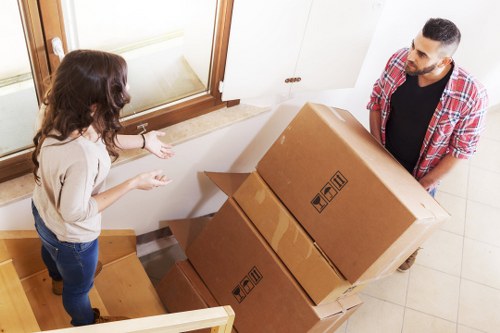 Our teams separate items carefully during each clearance so that reusable pieces, recyclables and residual waste are handled in the right order. That can include separating soft furnishings from wood, keeping metals apart from mixed waste, and preparing cardboard for compacting and recycling. In boroughs with clear waste-separation expectations, this method fits naturally with local sustainability goals. It also helps us maintain a high standard in Colliers Wood removals recycling, where efficiency and environmental responsibility go hand in hand.
Transport matters too. Our fleet includes low-carbon vans selected to reduce emissions across short and medium-distance jobs. By using cleaner vehicles, planning efficient routes and combining collections where possible, we lower fuel use and reduce the carbon footprint associated with moving homes and offices. Low-emission transport is especially valuable in urban areas, where stop-start traffic can increase exhaust output. For customers choosing a more environmentally conscious removal company, greener vehicles are a practical part of the answer.
We also aim to minimise waste at the packing stage. Whenever suitable, we reuse sturdy crates, blankets and protective materials, and we encourage the recycling of clean cardboard, paper wrap and certain plastics after the move. Items such as old filing materials, packaging from appliances and broken flat-pack furniture may be directed toward specialist recycling streams, depending on local acceptance rules. By staying alert to what each borough allows and what nearby facilities can process, we help avoid unnecessary landfill and maximise recovery.
For larger clearances, our sustainability approach becomes even more important. House clearances can generate a wide mix of materials, from wardrobes and mattresses to kitchen items, books and metal shelving. We separate these into categories so that each one can be reused, donated, or recycled where appropriate. This is particularly useful in locations where borough waste strategies encourage residents to sort out bulky waste and keep recyclables free from contamination. The result is a more responsible removals and recycling service that aligns with local environmental priorities.
 Another benefit of our local-first model is that it supports the circular economy. When items are donated through charity partners, refurbished for reuse, or sent through approved recycling routes, they keep their value for longer. That reduces the pressure on raw materials and helps communities benefit from goods that might otherwise be discarded. We believe a sustainable Colliers Wood removals service should not just move belongings from one address to another; it should also give suitable items a second life wherever possible.
Our sustainability commitment is practical rather than symbolic. It includes careful waste segregation, sensible route planning, local transfer station use, and a strong preference for donation before disposal. It also involves regular review of how we handle common material types in the boroughs we serve, including paper recycling, cardboard flattening, metal recovery, and the separate handling of WEEE items and textiles. In areas with clear municipal recycling systems, this attention to detail helps ensure our work complements local environmental efforts.
 At Colliers Wood Removals, we see sustainability in removals as an ongoing responsibility. By working toward an 85% recycling target, supporting charities, using low-carbon vans and respecting borough waste-separation practices, we make each move cleaner and more resource-conscious. From the smallest household collection to larger clearances, our aim is the same: reduce waste, reuse where possible and recycle responsibly.